Posts

Agnikarma Chikitsa

AGNIKARMA CHIKITSA Indications for Agnikarma It is one of the treatments for Vataja Shoola. Vitiated Vayu in relation to Twacha, Mamsa, Sira, Snavu, Sandhi & Asthi produc intense pain, which is the exact indication for Agnikarma. स्नेहोपनाहाग्निकर्मबन्धनोन्मर्दनानि च । स्नायुसन्ध्यस्थिसंप्राप्ते कुर्याद्वायावतन्द्रितः ।। सु.चि. ४/८ In the Vataja Shool, Snehana, Upanaha, Agnikarma. Tight bandaging Mardana is the treatment regimen. When the pain is located at Snayu, Sandhi, A should be continued till the patient gets relief including Agnikarma. Other indications for Agnikarma are painless hypergranulation in ul Granthi, Arsha, tumours, fistula, Apachi, Shlipada, warts, moles inguinal herma haemostasis of cut vessels or a bleeding tract. उच्छ्रिकठिण सुप्त मांसव्रणे ग्रन्थ्यार्शाऽर्बुद भगंदरापचीश्लीपद चर्मकील तिलकालकान्त्रवृद्धि सन्धिसिराच्छेदनादिशुनाडी शोणितातिप्रवृत्तिषु चाग्निकर्म कुर्यात् ।। सु.सू. १२/१० If there is no relief in pain by Snehana and Swedana, Raktamokshana should be ...
ಸ್ವಾಮಿ ವಿವೇಕಾನಂದ ಸಂಕ್ಷಿಪ್ತ ಜೀವನ

         ಸ್ವಾಮಿ ವಿವೇಕಾನಂದ  ಕ್ರಿ . ಶ . ೧೮೯೩ ನೆಯ ಸೆಪ್ಟೆಂಬರ್ ಹನ್ನೊಂದನೆಯ ದಿನ . ಅಮೆರಿಕಾ ದೇಶದ ಚಿಕಾಗೂ ನಗರದಲ್ಲಿ ದೊಡ್ಡ ಸಭೆ ನೆರದಿದ . ಎಲ್ಲಾ ಧರ್ಮದವರನ್ನೂ ಒಟ್ಟುಗೂಡಿಸಿ ಒಬ್ಬರು ಇನ್ನೊಬ್ಬರ ಅಭಿಪ್ರಾಯವನ್ನು ತಿಳಿದು ಜಾತಿ ದ್ವೇಷಗಳನ್ನು ಕಡಿಮೆ ಮಾಡ ಬೇಕೆಂಬುದ ಆ ಸಮ್ಮೇಳನದ ಗುರಿ , ಜಗತ್ತಿನ ನಾನಾ ಭಾಗ ಗಳಿಂದ ಆಯಾ ಧರ್ಮಕ್ಕೆ ಸೇರಿದ ಹಲವು ವಿದ್ವಾಂಸರು ಅಲ್ಲಿ ನೆರದಿರುವರು . ಬೆಳಗಿನಿಂದ ಒಬ್ಬೊಬ್ಬರಾಗಿ ಬಂದು ವೇದಿಕೆಯ ಮೇಲೆ ನಿಂತು , ತಮ್ಮ ತಮ್ಮ ಮತಗಳನ್ನು ಪ್ರತಿಪಾದಿಸಿದರು . ಅಂದಿನ ಸಂಜೆ ಆ ದಿನದ ಕೊನೆಯ ಭಾಷಣ ಬಂದಿತು . ಕಾವಿಯ ನಿಲುವಂಗಿ ತೊಟ್ಟು ಅದೇ ಬಣ್ಣದ ಪೇಟವನ್ನು ಸುತ್ತಿ ಕೊಂಡಿದ್ದ ಸುಂದರವಾದ ಗಂಭೀರವಾದ ಮನುಷ್ಯನೊಬ್ಬನು ಮಾತನಾಡಲು ಎದ್ದು ನಿಂತನು . ಪ್ರೇಕ್ಷಕರನ್ನು : ಅಮೆರಿಕಾದ ಸಹೋದರ ಸಹೋದರಿಯರ " ಎಂದು ಸಂಬೋಧಿಸಿದನು . ನೆರೆದಿದ್ದವರಲ್ಲ ಚಪ್ಪಾಳೆ ತಟ್ಟಿದರು ! ದೊಡ್ಡ ಸಿಡಿಲಿನ ಗದ್ದಲ ಎದ್ದಿತು ಸಮ್ಮೇಳನದಲ್ಲಿ , ಆ ತೇಜಸ್ವಿ ಪುರುಷನು ಹಿಂದೂ ಧರ್ಮದ ಪರವಾಗಿ ಅಲ್ಲಿ ನೆರದವರನ್ನು ವಂದಿಸಿದನು . ಅವನ ಭಾಷಣದ ಶೈಲಿ ಮತ್ತು ಭಾವಗಳು ಎಲ್ಲರನ್ನೂ ಆಕರ್ಷಿಸಿತು . ಆ ವ್ಯಕ್ತಿಯ ಸ್ವಾಮಿ ವಿವೇಕಾನಂದರು ! ಎಲ್ಲರ ಬಾಯಿಯಲ್ಲಿಯೂ ಅನಂತರ ಅವರದೇ ಮಾತು , ಎಲ್ಲಾ ಪತ್ರಿಕೆಗಳಲ್ಲಿಯೂ ಅವರ ಭಾವಚಿತ್ರವ ! ಕೋಟ್ಯಾಧೀಶರು ಅವರನ್ನು ತಮ್ಮ ಮನೆಗೆ ಕರೆಯುವುದಕ್ಕೆ ನಾನು ತಾ...

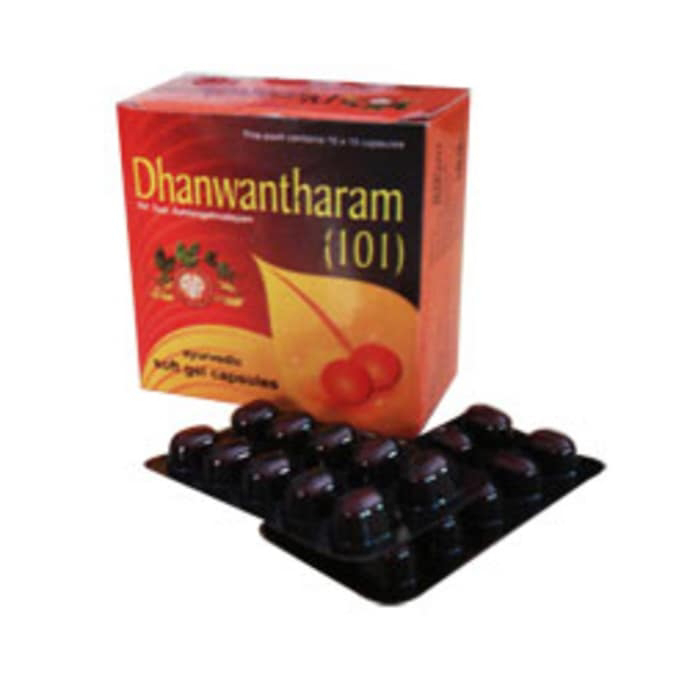
Vaidhyaratnam Dhanvantaram 101

Image
Vaidhyaratnam Dhanvantaram 101 is a capsule of Dhanvantaram oil that is processed by herbs 101 times. It ideally helps to pacify aggravated Vata Dosha that is responsible for major Musculoskeletal, Neurological and Joints disorders. It works as pain-relieving, provides muscle strength, improves flexibility and lubricates synovial joints. Ingredient - Bala – Sida cordifolia – 2 g Sheera – Milk – 3 ml Til Taila – Sesamum Indicum – 500 mg Yava – Hordeum Vulgare – 200 mg Kola – Cola Acuminata – 200 mg Kulattha – Dolichos Biflorus – 100 mg Agnimantha – Clerodendrumphlomidis – 200 mg Prasarini – Paederia Foetida – 250 mg Bruhati – Solanum Indicum – 250 mg Kantakari – Solanum Xanthocarpum – 200 mg Daruharidra – Berberi Saristata – 100 mg Gokshura – Tribulus Terrestris – 200 mg Manjistha – Rubia Cordifolia – 100 mg Sariva – Hemidesmus Indicus – 10 mg Vacha – Acorus Calamus – 100 mg Punarnava – Boerhaavia Diffusa – 250 mg Ashwagandha – Withania Somnifera – 250 mg Vidari – Pueraria T...

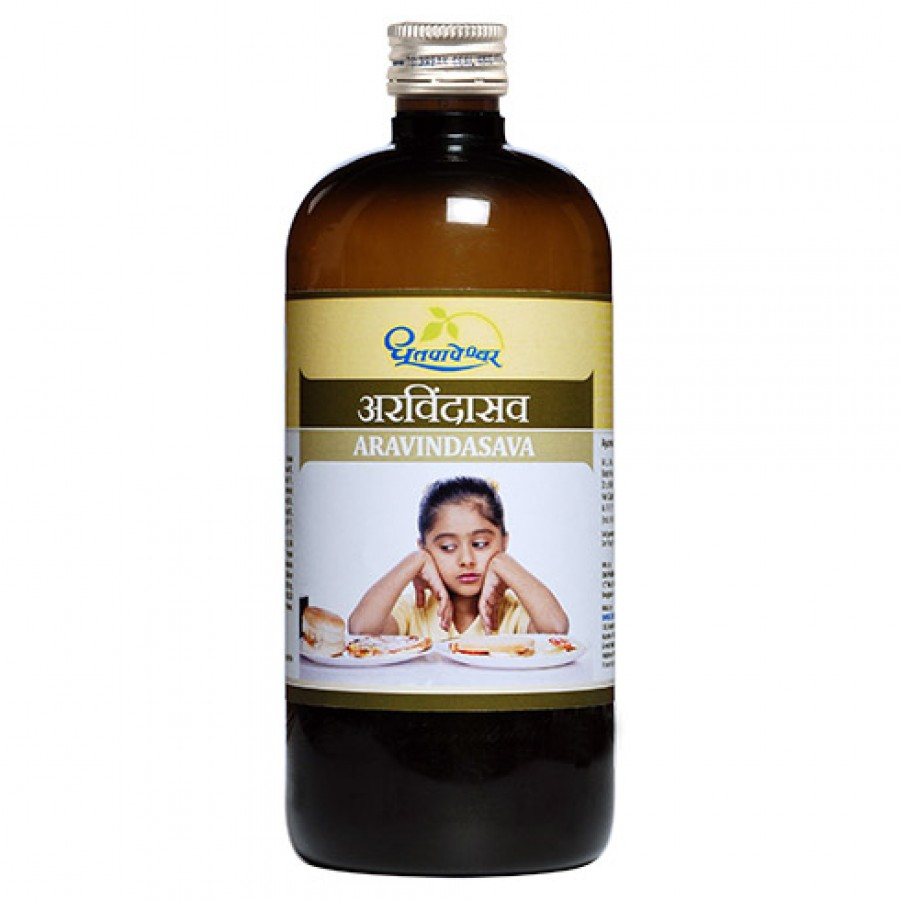
Dhootapapeshwar Aravindasava: A Boon for Children

Image
 Dhootapapeshwar Aravindasava: A Boon for Children   Aravindasava is an ayurvedic fermented liquid preparation enriched with the goodness of 27 herbal ingredients. It contains 5-10 % of self generated alcohol by the use of dhataki(Woodfordia fruticosa) , a flower which helps in the fermentation process. The main ingredient of Aravindasava is Aravind which is commonly known as "lotus" in English and "Kamal" in Hindi. Arvind is a sacred plant dedicated to Goddess Lakshmi Devi. All parts of Arvind have some therapeutic value.   It contains alkaloids, flavonoids which have antiviral anti-inflammatory,antipyretic anti-cancerous, immunomodulatory and hepatoprotective action. The other ingredient jatamansi is known to have neuroprotective, sedative, carminative, antispasmodic and antioxidant properties thereby making this preparation as the most prescribed medicine for GRAHA DOSHAS ie.. psychological problems seen in children like crying without reason, throwin...

Raktapitta (Bleeding Disorders)

Hetu  Ati-ushna, Teekshna, Ati-maithuna, Ati-vyayama etc. Causes Deficiency of clotting factors especially factor VII , Vit K Low platelet count. Symptoms Bleeding through nose, mouth,anus, vagina, urethra. Principles of Treatment At the beginning, the Rakta Stambhana should not be done except Bala, Vriddha, Durbala, Garbhini. Vamana in Adhoga raktapitta Virechana in Urdhavaga raktapitta Treatment- Panchakarma Sheetala Piccha Basti, Ghrita Manda Anuvasana Shweta Dravya lepa, Parisheka, Avagaha Shamana Drug of choice-  Vasa Main Drugs- papaya leaf, Bola, sphatika, lajjalu, Gairola, suvarnamakshika, shatavari, prabala, loha. Naimittika Rasayana- Vasavaleha , Loha Bhasma, Amlaki Rasayana, Papaya leaf extraction.

Anorexia in general practice

Ano rexia Fir st rule o ut Jaund ice, Fever and Anem ia 1. Inj. Neurobion 2 cc IM × on alt days × 5 2. Sure. Aptivate 2 tsp ×2 times/day 3.Syr. Practin 1 tsp×3 times/day × 1/2hr. before meals 4.Tab Longifene 25 mg bd 1/2 hr. before food 5. Tab Zentel 400mg 1 tab stat

Varthma Rogas / Disease of eye lids

Nidana- Vitiated vatadi doshas individually or togetherly localise in the vessels of varthma, vitiated twak, raktha, mamsa and medas and causes different types of diseases in the eye lids. 1) Varthma Rogas according to Shushruth are 21 2) Varhma Rogas according to vagbhata are 24 Sushrutha - 21 Uthsangini Kumbheeka Pothaki Varthma sharkara Arsho varthma Shushkarsha Anjana namika Bahala Varhma Varthma Ava andha Varthma kardama Klistra varthma Shyava varthma Praklinna varthma Aklinna varthma Vata hatha varthma Varthma arbuda Nimesha Shonitarsha Lagana Bisa varthma Pakshma kopa

Sannipathaj Shirah Shoola

All the mixed signs and symptoms of Tridosha present. Chikitsa- Tridosha hara chikitsa. Oral intake of purana ghritha or thriphala ghritha. Nasya yoga- Hot milk + Shunthi Jeevakadi- Shatahvadi Tails  Madan Phala, shigru beeja, kusta, Tila, jatamamsi, tutta etc. drugs Karanja, Shunthi, Shigrubeeja, vacha, milk and sugar. Lepa ( Luke warm applications) with, Swetha Chandana, karpoora, Sarina, priyang, haridra, Shunthi and old rice. Priyang, Ananthmool, Nishotha, Shunthi, Chandan. Kusta, Shunthi, Yastimadu, shatapushpi, Kamal, pippali.

Manyastambha | Shalya Tantra

Manyastambha - Hetu-Samprapti- Aggravated vata due to improper posture, injury to the neck, constant travelling causes stiffness and pain in the neck. Samanya  Chikitsa- Oleation and then dry fomentation with the leaves of nirgundi should be done at the region of neck. Nasya is also useful. Similarly massage to the neck with vishagarbha oil should be done. Vishesha chikitsa Nasya Eranda taila nasya should be done in the morning and evening. Kwath - Dashamula decoction in dose of 15 ml. 3 times day with  Decoction of ashwagandha and rasna should be given in dose of 30 ml. 3 times day. Medicated Ghee  Mayura ghrita in dose of 2 gm. 3 times day for 15 days. Medicated Oil  Varuni taila Prepare decoction of varuna add sesame oil and prepare medicated oil. The dose of this oil is only 8 drops for internal use. Baladi taila Mix decoction of bala and dashmula. Add milk and sesame oil. Add paste of jeevaniya herbs, shatavari, manjishtha, kushtha, ...

Akshepaka | Shalya Tantra

Akshepaka   Samprapti - Vitiated Vata lodges at various nerves in the body, causing attacks of convulsions. Aggravated Vata also affects muscles and tendons of various organs and causes atrophy of them.  (Ch.Chi.28/ 50). This should be treated as Convulsive disorder.  Bheda - Vataja,  Vata-Kaphaja,  Vata-Pittaja  and due to trauma (abhigataja akshepaka).  Samanya Chikitsa - During the convulsive stage, use of penetrating quality of nasya, teekshna anjana or teekshna dhupana which are against Vata, should be carried out. Abhyanga with prasarini oil and then whole body sudation should be done, till the convulsions are over.  When the convulsions are over then bloodletting by siravyadha should be done after giving proper internal snehana. Vishesha Chikitsa - In avegavastha, follow anti-Vata regimen. Give alternate niruha and anuvasana basti for 15 days. Kwath - Dashamula 30 ml. 4 to 5 times day. Prepare...

Preposition | Between | it's usage

Image
BETWEEN It is a compound preposition. It is used with two person or things. It is also used when some things happens between two persons or any Number of persons taken in pairs. Its old form betwixt. USAGE: 1. Bob is sitting between Tom and Peter. 2. January comes between December and February. 3. Friday is between Thursday and Saturday. 4. There was running race between a hare and a tortoise. 5. Sevencomes between six and eight. 6. Tha take was going on between the teacher and student. 7. My nose is between my two eyes. 8. He shared his property between his two sons. 9. Let us divide the space between us two. 10. There are a great many differences between animals and machines. 11. There was miss understanding between Paul and Peter for a long time. 12. Harry pleased lamp between the chair and the table. 13. There are many similarities between the camera and the eye. 14. What are the differences between democracy and monarchy. 15. This war watch fought in between ...

Dagdha Vrana (burns), Shalya tantra

DAGDHA VRANA  Susruta has explained two major varities of burns viz an ideal therapeutic burn (created by the surgeon, as in agni karma, for releif from diseases) and accidental burns viz due to excesgive exposure to sun, extreme cold and other external factors. Ideal therapeutic burn (samyak dagdha) is the burn which is created during therapeutic procedures, features of which are explained under the chapter of chemical & thermal cauterization. Other type of burn. i.e. accidental burns. may be caused due to various external causes, or during therapeutic procedures due to carelessness on the part of the operating surgeon. These are of various kinds like- (1) Plusta dagdha- A condition where there is discolouration (redness) and severe burning sensation in a burnt area, it is called plusta dagdha. (1st degree burns) (2) Durdagdha- There is eruption of vesicles/blebs, associated with severe burning sensation, redness, inflammation, pain; the wound takes long time to hea...

Peptic Ulcers, Shalya Tantra, BAMS 4th Year

Image
PEPTIC ULCERS : For the causation of peptic ulcers, a state of increased secretion of acid as well as pepsin, is a pre-requiste. Patients with duodenal ulcer have a higher average pepsin level within the gastric juice. Common location- Peptic ulcers commonly occur in the lesser curvature of the stomach and first part of duodenum. Also, in oesophagus & Meckel's diverticulum. Clinically, a distinctive diagnosis of acute'and chronic peptic ulcers is difficult. Symptoms vary based on the conditions viz., whether the ulceration of gastric and duodenal mucosa is superficial or deep. Both are important as both can perforate and bleed. Inspite of great research works, the cause for peptic ulceration remains a mystery. Though it is clear that increased acid levels leads to peptic ulceration as in example Zollinger-Ellison syndrome, in certain subjects the acid levels are normal or in some cases lower than normal levels. Therefore increased acid levels is not the only c...

The Voice of VIVEKANANDA

The Voice of VIVEKANANDA  1. Man comes from God in the beginning, in the middle he becomes man, and in the end he goes back to God. 2. He is an Acharya through whom the Divine Power acts. 3. According to Karma Yoga, the action one has done cannot be destroyed, until it has borne its fruit; no power in nature can stop it from yielding its results. 4. Know it for certain that there is no greater Tirtha (holy spot) than the body of man. Nowhere else is the Atman so manifest as here. 5. This world is just a gymnasium in Which we play; our life is an eternal holiday. 6. Strength is the one thing needful. Strength is the medicine for the world’s disease. And nothing gives such strength as the idea of Monism. 7. Despondency is not religion, Whatever else it may be. By being pleasant always and smiling, it takes you nearer to God, near than any prayer.

Arbuda/Tumors, Shakya tantra

  ARBUDA (TUMOURS) Development of arbuda: (Su.Sam.Ni 11/13) Aggravated dosa, accumulate, vitiate mamsa etc and lead to the development of a rounded, fixed, large, deep rooted, slow growing, non-inflammatory swelling associated with mild pain. Such a swelling is termed arbuda. Classification (1) Vataja arbuda  (4) Raktaja (2) Pittaja              (5) Mémsaja (3) 'Kaphaja.        (6) Medoja arbuda The symptoms produced in each of these variety are similar to those produced in various granthi roga. Raktarbuda- The vitiated, aggravated dosa in turn Vitiate rakta and then localise in the vessels. By narrowing their passages and obstructing the flow of blood, the dosa cause the development of  a rapidly growing swelling, covered with fleshy sprouts and which readily bleeds on touch etc. This is termed raktarbuda. This condition is incurable. Owing to continuous haemorrhage the person suffers from anaemia e...

7th standerd Kannada medium Science 5th Chapter Energy, ಶಕ್ತಿ

Image
7th Std Kannada medium science (ವಿಜ್ಞಾನ) 5th chapter ಶಕ್ತಿ(Energy) Lesson tutorial in Kannada Please watch video on YouTube and subscribe to my channel for more videos  Watch Here

Swedana karma

Image
SWEDANA KARMA Sweating is the physiological process But over sweating or Absence of Sweating is patholgical, Inducing the sweating by heat application is known as swedan Karma. It is beneficial in vata kapha disorders and harmful in Pitta, Raktha disorders. Swedana is a major Poorva Karma procedure conducted after Sneha Karma and proceedes Vaman karma. It is a process in which by the application of the heat Liquification of doshas occurs that relieves stiffness, heavyness, cold and induces sweating. Being the principal Poorva Karma procedure, Swedana is also a specific treatment procedure for number of diseases like Vata Vyadhi (It is also a main therapy that is one among Shat upakramas and quite opposite to Stambana therapy). Qualities of Swedan Dravyas.  1) Ushna (Hot)  2) Teekshna (Quickly spreading)  3) Sara (Spreading nature in the all directions)  4) Snidga (oleusunctuous)  5) Rooksha (Rough opposite to snigda  6) Sukshma (penetrating into ...

KUMBHEEKA PITICA, Kumbhee Pitica, Stye or zeis gland cyst or External Hordeolum,Shalakya tantra

KUMBHEEKA PITICA (SUSHRUTHA) Kumbhee Pitica (Vagbhata)  (Stye or zeis gland cyst or External Hordeolu m). It is varthmaja sannipathaja Lekhana Sadhya vyadhi. Description :Small papules (cysts) resembling the seeds of pomegranate fruit (Kumbheeka beeja Sadrusha pitica) originates in the eye Iid margin (Varthmantha pitica), suppurates (get pakwam), discharges the fluid and bulges again (Admapayanthi bhinna). Vagbhata : Called it as Kumbhee pitica that originates in varthma due to vitiation of pitta dosha, the colour of pitica is RED AT FIRST AND THEN BECOMES BLACK. Chikitsa :Lekhana sadhya vyadhi. A) Sushrutha’s Treatment principle is like Uthsangini. B) Vagbhata’s Treatment principle is as follows := 1) Lekhana 2) pratisarana 3) sekam with Aamalaki yastimadu, patola kwatha and ghritha. Note : 1) If is the cystic swelling of zeis gland that develops at the eye iid margin, known as multiple stye or External Hordeolum 2) Some body has commented it as chaiazian (mei...

Bahala Varthma / Multiple Chalazian, Shalakya Tantra

BAHALA VARTHMA (MULTIPLE CHALAZIA)  It is Varthmaja Rakthaja Lekhana Sadhya vyadhi Description:- Hard (kathina), same coloured and same sized papules Originates in the eye lid completely and causes the eye lid thicker, is known as Bahala varthma. Chikitsa : Lekhana Sadhya Vyadhi. 1)Murudu Sweda 2) Pracchana 3) Lekhana and 4) Pratisarana After 5 to 10 minutes 5) Ushnodaka prakshalana 6) Ghritha sekam and Bandhana, has to do (Pratisarana dravyas are Manashila, Kaseesa, Shunti, Marcha, Pippali, rasanjana, Saindhava lavana + madhu) Note : Specific site of the disease is not mentioned so it can be correlated to muliple chalazia or follicular conjunctivitis or A form of trachoma CHALAZIAN CYST OR MEIBOMIAN CYST OR TARSAL CYST  It is a chronic inflammatory granuloma of meibomian gland. (Tarsal glands) PATHOLOGY: The staphylococcus is the commonest organism that enters into meibomian gland through its duct, as a result of Iow grade infection, the glandula...

Lagana/Bahana/Alabama, Chalazian Cyst- Meibomian Cyst- Tarsal cyst, Shalakya Tantra

Lagana/Bahana/Alabama, Chalazian Cyst- Meibomian Cyst- Tarsal cyst It is varthma Kaphaja bhedhana sadhya vyadhi. Description : A small cystic swelling, resembling kola phaia (Badari phala), originates in the eye lids, which is hard (kathima), stout (Sthula), painless (Avedanam ), Sticky (Pischiia), with itching sensation and doesn’t suppurate (Apkwam). Vagbhata mentioned it is white in colour and occurs due to the vitiation of kapha dosa. “ Bhavamishra called it as nagana” “ It is also a cystic swelling or hardtumour of meibomian glands of eye lids    Chikitsa: Bhedhana Sadhya vyadhi and prathisarana should do with gorochana, Yavakshara, neela tuttha pippali + Madhu and has to treat like Vrana (Ulcer) Note :  1) if the gland is bigger Bhedhana, kshara Karma and Agni Karma has to do. 2) Being the non suppurative cyst the treatment should be chedan lekhan and pratisaran instead of Bhedana (Others)